Grant Opportunities

APPLY FOR

FUNDING AND TECHNICAL SUPPORT

Now Available! 2026 Community Grants

Casco Bay Estuary Partnership (CBEP) would like to announce the 2026 round of CBEP Community Grants. 

Deadline: Monday, January 26, 2026, 5:00pm

Request for Proposals (RFP):
Download Community Grants RFP 

Application:
You may submit either:

  1. A short, written proposal (up to two pages), or
  2. A completed Application Form (editable PDF). You can download this editable PDF here. CBEP will mail hard-copy forms upon request.

Summary: CBEP supports new partnerships and creative projects that connect people with Casco Bay and its watershed. Community Grants are small, community-focused grants ($500- $5,000) that support environmental education, stewardship, and community engagement projects focused on Casco Bay and its watershed. The program is open to municipalities, nonprofits, and educators, in collaboration with smaller community groups if appropriate.

Examples of past projects

These are illustrative only—CBEP welcomes new ideas and approaches.

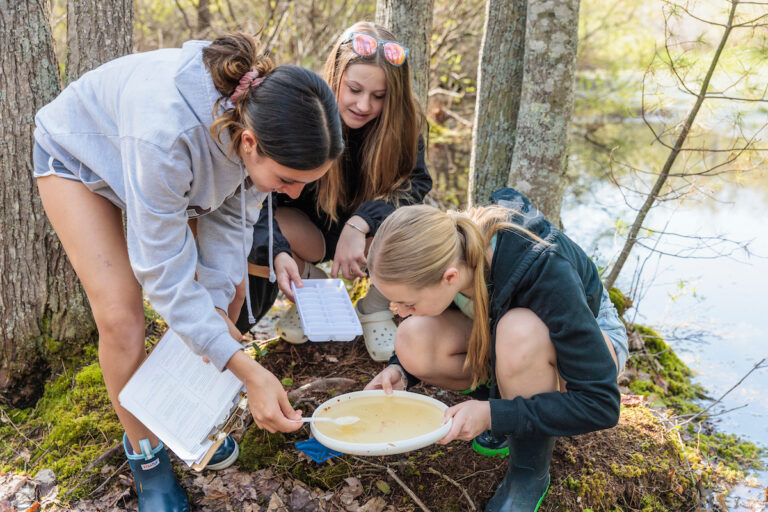
  • Student-led science and stewardship, such as middle-school and high-school classes monitoring clam recruitment, water quality, or local habitats.
  • Hands-on environmental education, including outdoor learning programs for early childhood groups, watershed demonstrations in classrooms, and field experiences tied to school curricula.
  • Community science and volunteer efforts, such as bioblitz events, shoreline or island stewardship days, and citizen monitoring of marine species.
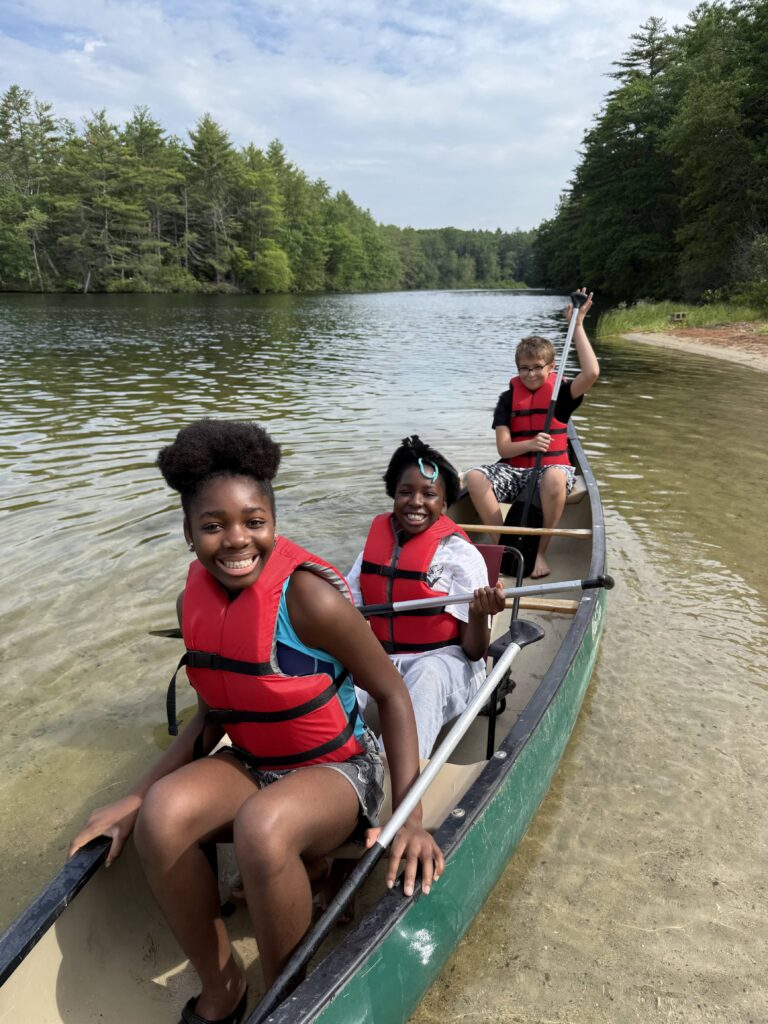
  • Programs serving diverse or underserved youth, including summer programs that introduce immigrant and multilingual students to Casco Bay.
  • Arts, storytelling, and community events that connect people to the Bay through intergenerational programs, public talks, creative projects, or guided experiences.
  • Collaborations with local resource managers, such as projects that engage local committees and other municipal partners in habitat education.
Young people identifying marine life using ID guides in Harpswell.
Young naturalists identifying marine species in Harpswell. Photo: Harpswell Heritage Land Trust
Youth take a dip in Casco Bay, during the Westbrook Intercultural Community Center's "Wonders of Water: Exploring Casco Bay" summer program. Photo: Westbrook Intercultural Community Center

Spring 2025 Resilience & Monitoring Awards

Casco Bay Estuary Partnership (CBEP) has awarded more than $321,000 to twelve communities and nonprofit organizations in the Casco Bay Watershed. CBEP is providing these funds through the U.S. Environmental Protection Agency (EPA) under the Infrastructure Investment and Jobs Act (IIJA).

“These projects empower local communities to tackle climate challenges while contributing valuable data to guide future action,ˮ said Curtis Bohlen, CBEP Executive Director.

Grantees and projects:

  • Bowdoin College: Establishing a long-term water quality monitoring station in Harpswell Sound at the Schiller Coastal Studies Center.
  • Brunswick Topsham Land Trust: Upper Middle Bay Marsh (Brunswick) resiliency project
  • City of Portland, Office of Economic Opportunity: Bridging cultures for climate resilience: A community needs assessment
  • Downeast Institute: Extending the soft-shell clam recruitment monitoring network throughout Casco Bay
  • Freeport Conservation Trust: Cousins River marsh restoration project
  • Gateway Community Services Maine: Building youth capacity for environmental monitoring and climate leadership
  • Island Institute: The Casco Bay Islands Resilience Collective: Strengthening Casco Bay Island collaboration for shoreline resilience and nature-based solutions
  • Kennebec Estuary Land Trust: Evaluating and planning for remediation of agricultural impacts in the Casco Bay marshes of Phippsburg and West Bath
  • Maine Audubon: Harraseeket River CoastWise Planning – Frost Gully Brook and Mill Stream Tidal Crossings
  • Maine Coast Heritage Trust: Monitoring Support for Casco Bay Estuary Salt Marsh Restoration
  • Maine Rivers: Restoring Connectivity in the Royal River Watershed: Development of an Action Plan
  • Peaks Island Action Team (PEAT): Peaks Island Working Group Formation
  • University of Southern Maine: Increasing capacity to monitor nutrients and road salts in the Casco Bay Watershed.
Island Institute organized a Nature-based Strategies site visit on Little Diamond Island. Photo: Island Institute
A University of Southern Maine employee stands over a SEAL autoanalyzer instrument that will increase regional capacity to monitor nutrients and road salts.
The University of Southern Maine purchased a SEAL autoanalyzer instrument that will increase regional capacity to monitor nutrients and road salts. Photo: Karen Wilson